-
 Call Now ! +91 95144 33288
-
 Email Now info@example.com
Strong churches are built through faith, prayer, biblical teaching, and dedicated leadership. Christian leaders play an important role in guiding congregations, encouraging spiritual growth, and helping believers fulfil their purpose in serving God and others.
Christian leadership is not simply about holding a position or having authority. It is about serving with humility, demonstrating integrity, sharing God's Word, and leading others through the example of Jesus Christ.
In today's changing world, churches need leaders who understand biblical principles and are committed to strengthening their communities. Let us explore the importance of Christian leadership and how it contributes to building strong churches.
The foundation of Christian leadership is the Word of God. Leaders should make decisions and guide their communities according to biblical teachings.
Scripture provides guidance on honesty, humility, forgiveness, patience, compassion, and responsibility. These values help leaders develop trust and encourage believers to live according to Christian principles.
A leader who follows biblical values can become a positive example for the congregation.
Christian leadership is based on service rather than personal recognition. Jesus demonstrated this through His life and teachings, showing that true leadership involves caring for others.
Church leaders can demonstrate servant leadership by:
|When leaders put service before personal interests, they help create a caring and supportive church environment.
One of the important responsibilities of Christian leaders is to teach Scripture clearly and faithfully.
Through sermons, Bible studies, prayer meetings, and discipleship programmes, leaders help believers understand biblical teachings and apply them in everyday life.
Effective teaching encourages spiritual maturity and helps church members develop a stronger foundation in their faith.
A strong church grows through the participation and cooperation of its members. Christian leaders help bring people together and encourage them to work towards shared goals.
They can promote unity by:
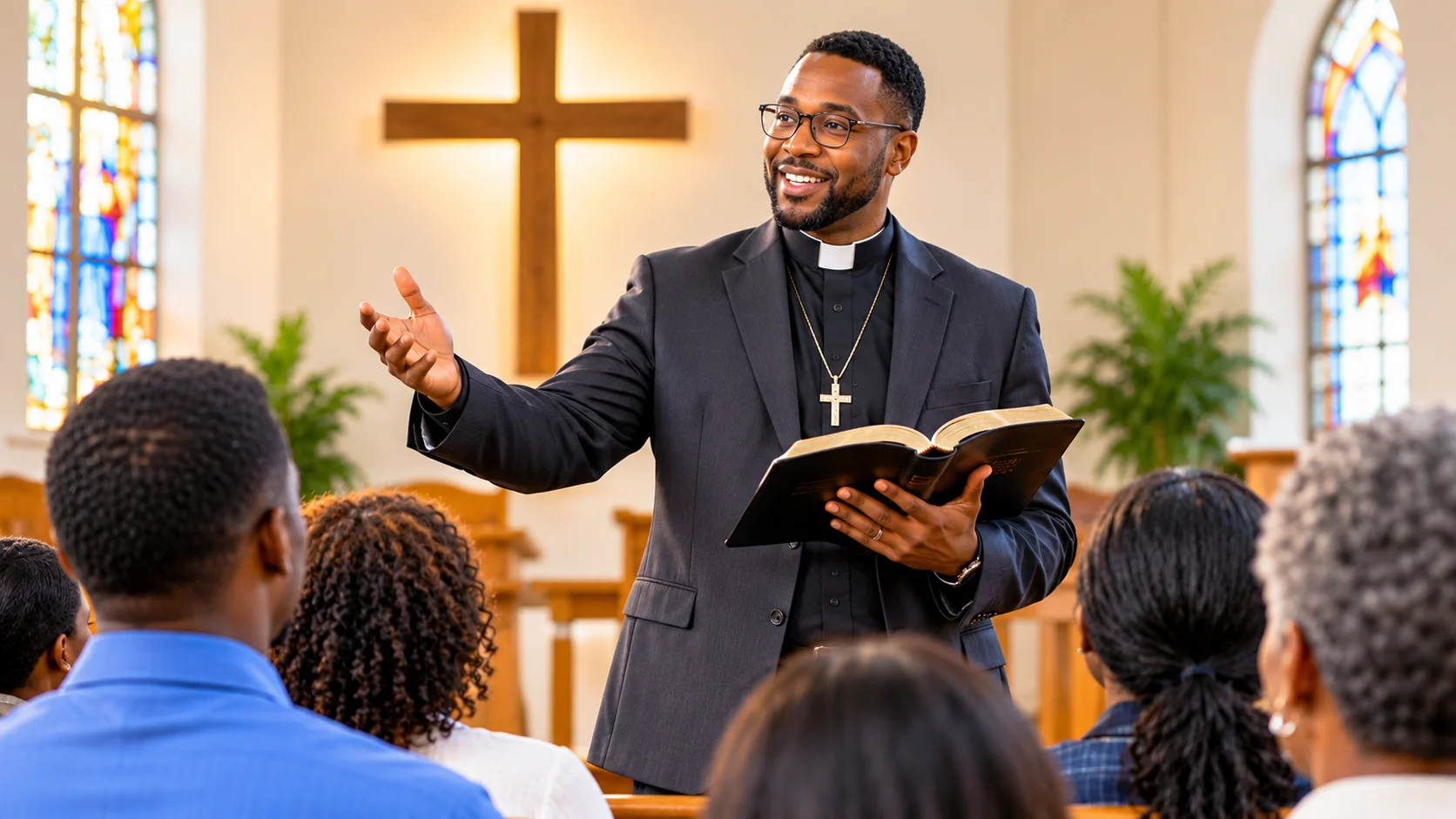
Church growth also depends on preparing future generations of leaders. Experienced leaders have an important responsibility to guide, mentor, and encourage others who feel called to Christian service. Mentoring, ministry training, Bible study, and practical involvement can help emerging leaders develop confidence and responsibility.
By investing in future leaders, churches can strengthen their ministries and continue serving their communities.
The mission of a church extends beyond its building. Christian leadership also involves encouraging believers to show love and compassion through meaningful community service.
Churches can support their communities through:
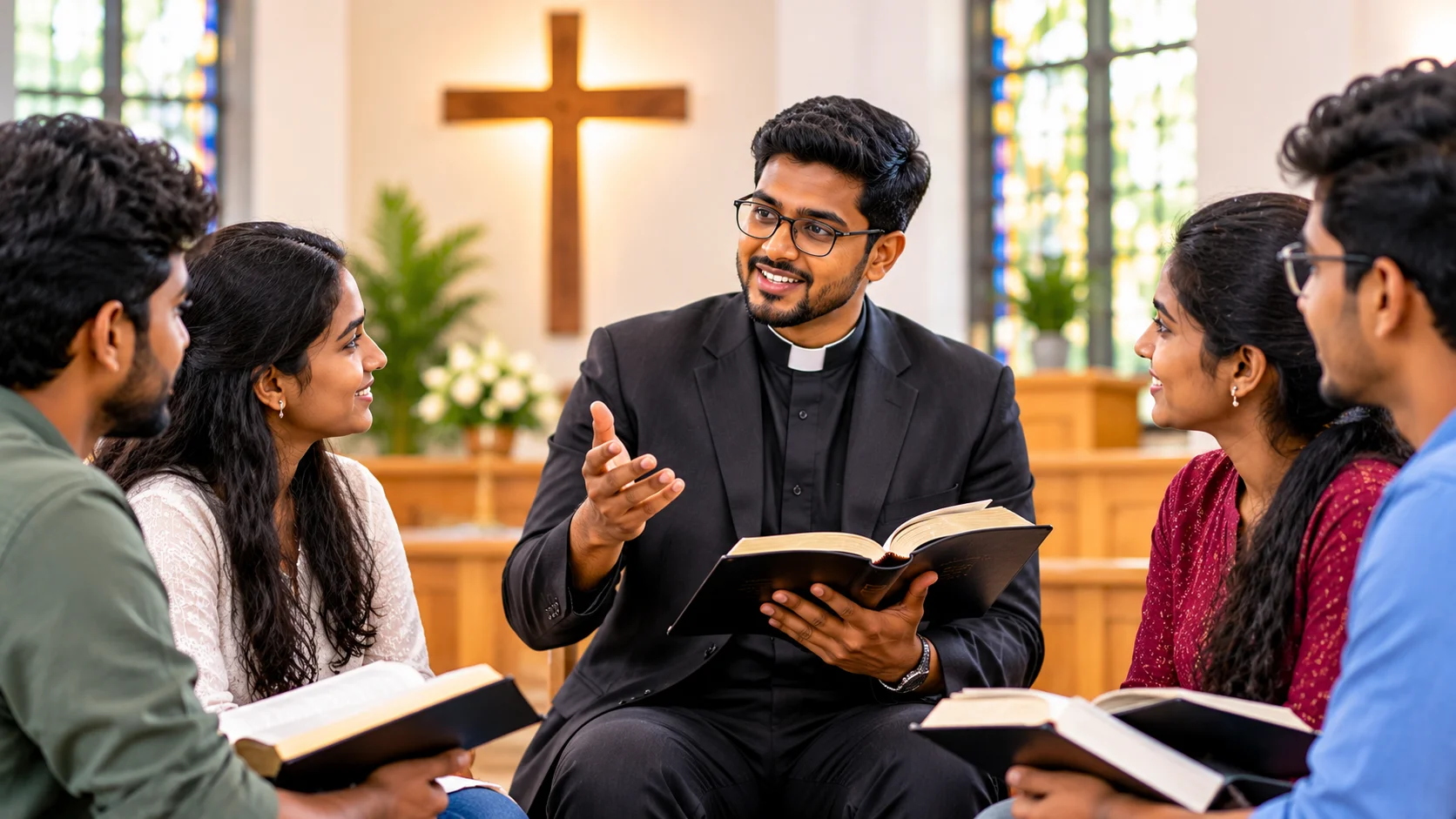
Christian leadership plays an essential role in building strong and spiritually growing churches. Through biblical principles, humble service, effective teaching, unity, mentoring, and community involvement, Christian leaders can encourage believers and strengthen their congregations.
True Christian leadership begins with a heart committed to God and a willingness to serve others. By developing biblical knowledge and practising Christ-centred values, individuals can become responsible leaders who make a meaningful contribution to the church and society.
Are you ready to grow in biblical knowledge and develop your ministry calling? Explore the programmes at GRW International Bible College and take the next step in your learning journey.